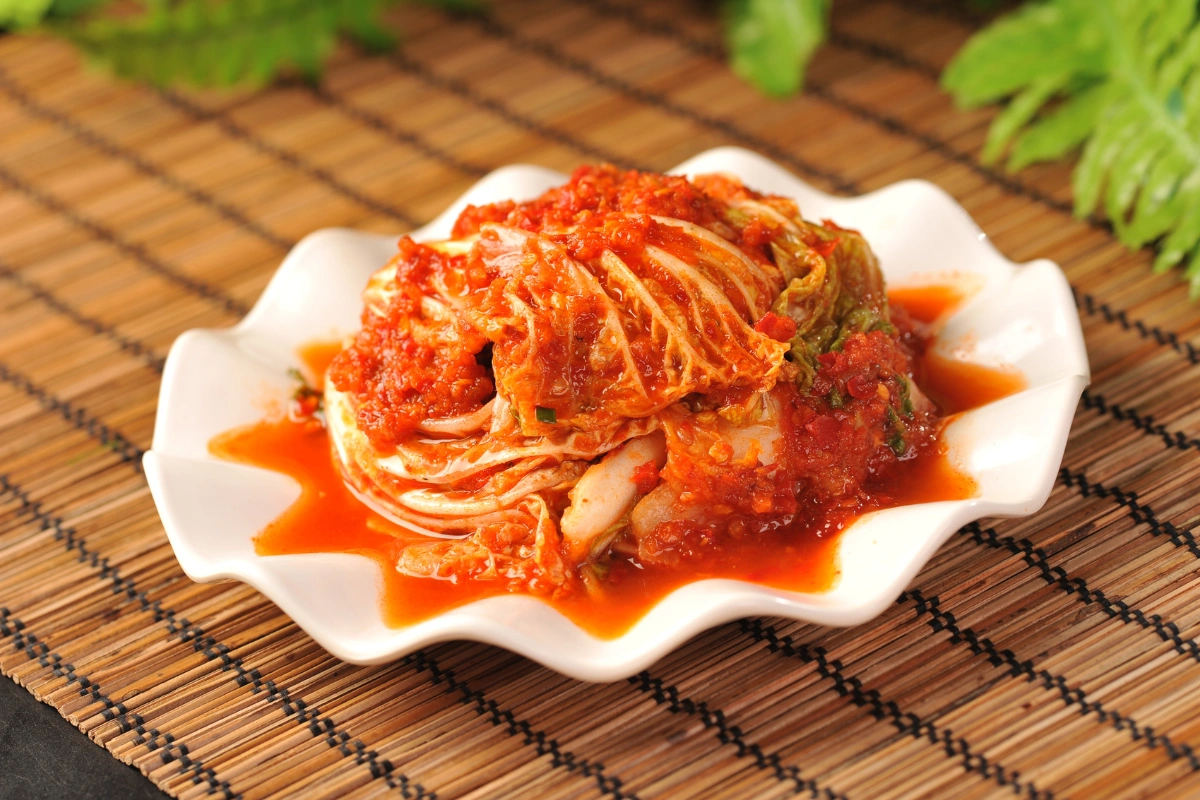
If you’ve ever wondered how to make your own Korean Kimchi, now’s the time to roll up your sleeves and dive into one of Korea’s most iconic dishes. This spicy, tangy, and utterly addictive fermented cabbage is more than just a side dish—it’s a cultural staple, a gut-health booster, and a flavor bomb all rolled into one. Whether you’re a kimchi newbie or a seasoned fan, making it at home is easier than you think. Let’s get fermenting!
Why Kimchi is a Superfood You Need in Your Life
Ever tried kimchi and thought, “Wow, this is alive”? That’s because it is—literally. Kimchi is packed with probiotics from fermentation, which means it’s great for your gut health. Plus, it’s loaded with vitamins A, B, and C, thanks to its star ingredient: napa cabbage.
But let’s not forget the flavor. The combination of spicy gochugaru (Korean chili powder), garlic, ginger, and fish sauce creates a punchy, umami-rich condiment that elevates everything it touches. From rice bowls to soups to tacos, kimchi is the ultimate multitasker.
Fun fact: There are over 100 types of kimchi, but the most famous is baechu kimchi (napa cabbage kimchi). It’s the gateway kimchi, and we’re about to make it.
The Secret to Perfect Homemade Kimchi
Before we jump into the recipe, let’s talk about what makes kimchi so special:
- The Cabbage: Napa cabbage is traditional, but you can experiment with other veggies like radishes or cucumbers.
- The Paste: The magic happens in the seasoning paste, made with gochugaru, garlic, ginger, fish sauce, and sugar. Adjust the spice level to your taste.
- Fermentation Time: Patience is key. Let your kimchi ferment at room temperature for a few days before moving it to the fridge. The longer it ferments, the tangier it gets.
Pro tip: Use gloves when handling the spicy paste unless you want your hands to feel like they’re on fire. Trust me, it’s worth it.
Step-by-Step Guide to Making Korean Kimchi
Alright, let’s get fermenting. Here’s how to make authentic baechu kimchi that’ll rival your favorite Korean restaurant’s.
Ingredients You’ll Need
For the Brine:
- 1 large head of napa cabbage (about 2–3 lbs)
- ¼ cup coarse sea salt (or kosher salt)
For the Seasoning Paste:
- 1 cup Korean chili powder (gochugaru)—adjust for spice level
- ¼ cup fish sauce (or soy sauce for a vegetarian option)
- 2 tbsp fermented shrimp (saeujeot)—optional but adds depth
- 1 tbsp sugar
- 1 medium onion, finely grated
- 4 cloves garlic, minced
- 1-inch piece of ginger, grated
- 1 medium daikon radish, julienned (optional but recommended)
- 4–6 green onions, chopped
Let’s Get Fermenting
1. Prep the Cabbage
Start by cutting the napa cabbage lengthwise into quarters. Remove the core and chop each quarter into bite-sized pieces. Rinse the cabbage under cold water and drain well.
In a large bowl, toss the cabbage with the salt, ensuring every piece is coated. Let it sit for 2–3 hours, tossing occasionally to redistribute the salt. The cabbage will soften and release a lot of water.
Rinse the salted cabbage thoroughly under cold water 2–3 times to remove excess salt. Drain well and set aside.
2. Make the Seasoning Paste
In a mixing bowl, combine the gochugaru, fish sauce, fermented shrimp (if using), sugar, onion, garlic, and ginger. Mix until it forms a thick paste. Add the julienned daikon radish and chopped green onions, and mix well.
Pro tip: Taste the paste before adding it to the cabbage. Adjust the sugar or salt if needed.
3. Combine and Coat
Wearing gloves, massage the seasoning paste into the cabbage, ensuring every piece is evenly coated. This is where the magic happens—don’t be shy!
4. Pack and Ferment
Pack the coated cabbage tightly into a clean glass jar or airtight container, pressing down to remove air pockets. Leave about 1–2 inches of space at the top to allow for expansion during fermentation.
Cover the jar loosely (to allow gases to escape) and let it sit at room temperature for 1–5 days, depending on your taste preference. Check daily, pressing down the cabbage to keep it submerged in its juices. Once it reaches your desired tanginess, seal the jar and store it in the fridge.
Common Mistakes to Avoid
Let’s keep it real—kimchi is forgiving, but here are a few things to watch out for:
- Using Old or Weak Gochugaru: Fresh, high-quality chili powder makes all the difference. Don’t skimp here.
- Skipping the Brining Step: Salting the cabbage draws out moisture and softens it. Skipping this step = soggy kimchi.
- Overcrowding the Jar: Leave space for fermentation. Overpacking can lead to uneven results.
Why Homemade Kimchi Always Wins
Sure, you could buy kimchi at the store, but homemade kimchi is on another level. For starters, you control the ingredients—no weird additives or preservatives. Plus, there’s something deeply satisfying about fermenting your own food.
Here’s a little story: My first batch of kimchi was… interesting. I accidentally used way too much salt, and it ended up tasting like seawater. But guess what? I kept tweaking the recipe, and now I’m known among my friends as the “Kimchi Queen.” You’ve got this too!
Final Thoughts: Time to Get Fermenting
So there you have it—the ultimate guide to making Korean Kimchi. Spicy, tangy, and utterly delicious, this dish is perfect for adding a burst of flavor to any meal.
Before you go, here’s a little nudge: What’s stopping you from trying this today? Grab some napa cabbage, gochugaru, and a jar, and let’s make some magic happen.
And hey—if you nail this recipe, drop me a comment or share your kimchi pics. Or better yet, invite me over for a taste. 😉 Happy fermenting!