Perfect! Now I have comprehensive research. Let me generate the final article with high-value insights, practical strategies, and actionable guidance suitable for publication. I’ll create an SEO-optimized, comprehensive guide.
Executive Overview
Transforming a shared bedroom into a luxury hotel retreat might seem counterintuitive when square footage is limited and personal space is contested. Yet this is precisely where strategic design thinking separates exceptional interiors from mediocre ones. Hotels have perfected the art of creating high-impact luxury within confined spaces—a skill directly transferable to shared bedrooms. The key isn’t expensive furniture or vast wardrobes of decor; it’s intentional layering of sensory elements, smart spatial organization, and psychological design principles that signal “luxury” to the brain within seconds of entering the room.
This guide distills research from contemporary luxury hotel design trends, interior design best practices, and spatial psychology to provide you with a replicable framework. Whether you’re maximizing a studio apartment, navigating college housing, or creating harmony with a roommate, the strategies here will elevate your space from ordinary to hotel-caliber—without requiring a boutique hotel budget.
Part 1: The Foundation—Luxury Bedding as Your Starting Point
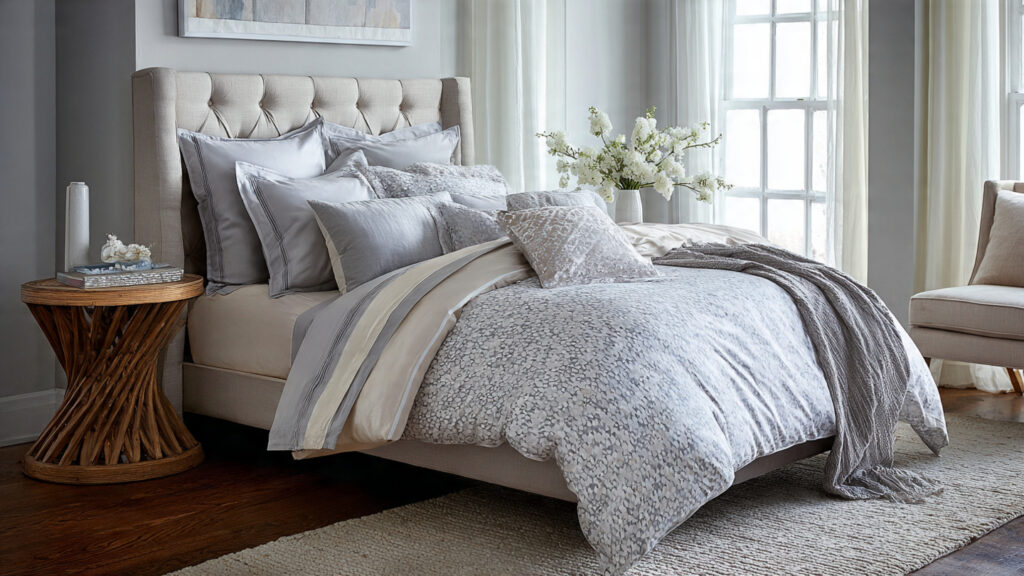
The bed occupies 60-80% of a shared bedroom’s visual real estate. Hotel designers understand this axiom and invest accordingly. Your bedding is not decoration; it’s the foundation upon which every other design decision rests.
High-Thread-Count Linens: The Non-Negotiable Investment
Start with sheets in the 300-500 thread count range—this is the sweet spot between affordability and luxury perception. Hotels predominantly use white sheets, not simply for aesthetics but for a fundamental reason: white immediately signals cleanliness, freshness, and hygiene. Your brain registers this within milliseconds.
Choose 100% cotton percale or sateen weaves. Percale delivers crispness and breathability (ideal if you live in a warm climate), while sateen provides a silky, smooth finish that evokes higher luxury. Cotton-polyester blends remain durable and wrinkle-resistant, making them practical for shared spaces where laundry discipline may vary.
Layering Technique: The Hotel Signature
Don’t make the rookie mistake of assuming a bedspread equals luxury. Hotels layer methodically:
- Fitted sheet (crisp white) – Tightly tucked for a polished, “just-made” appearance
- Flat sheet (white) – Provides breathing room and thermal regulation
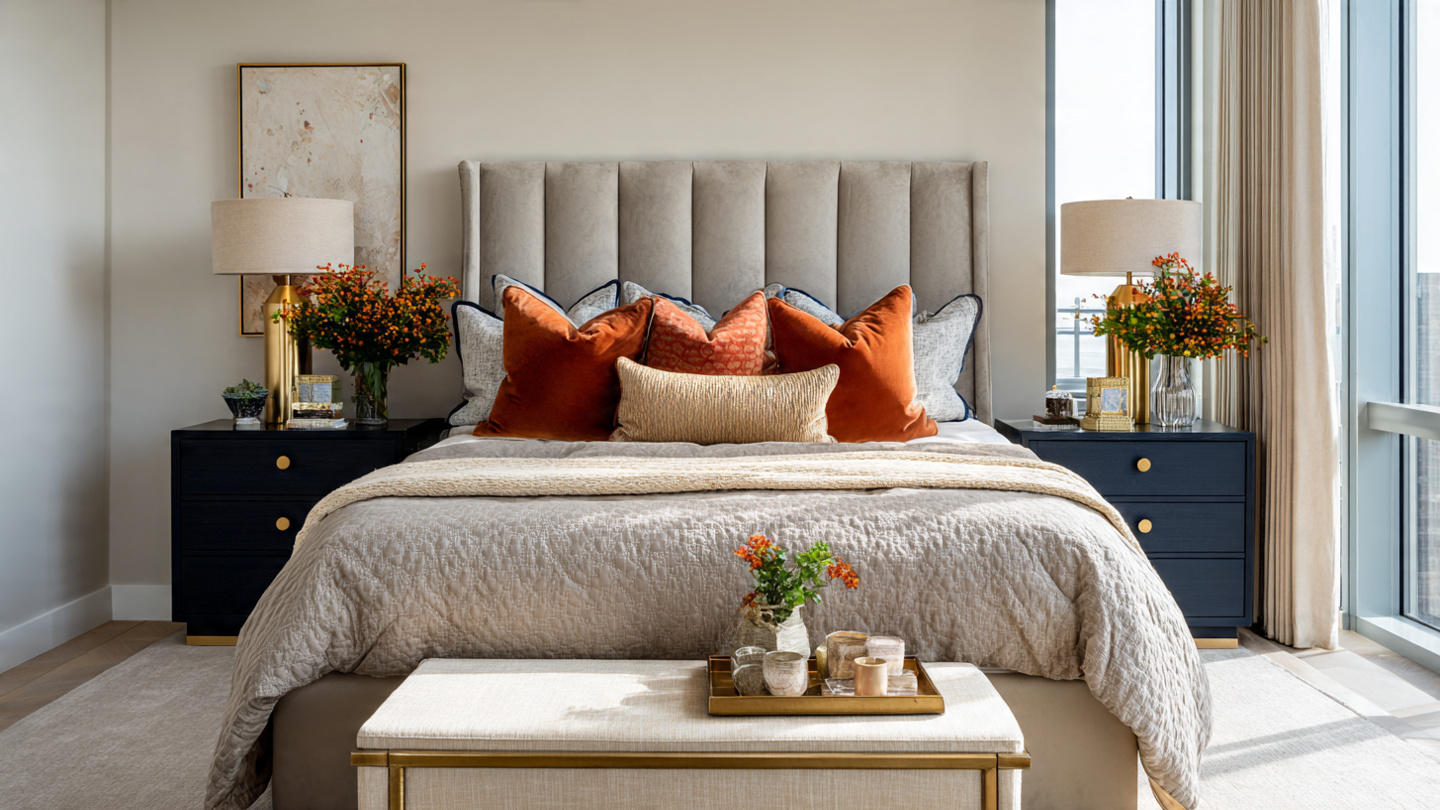
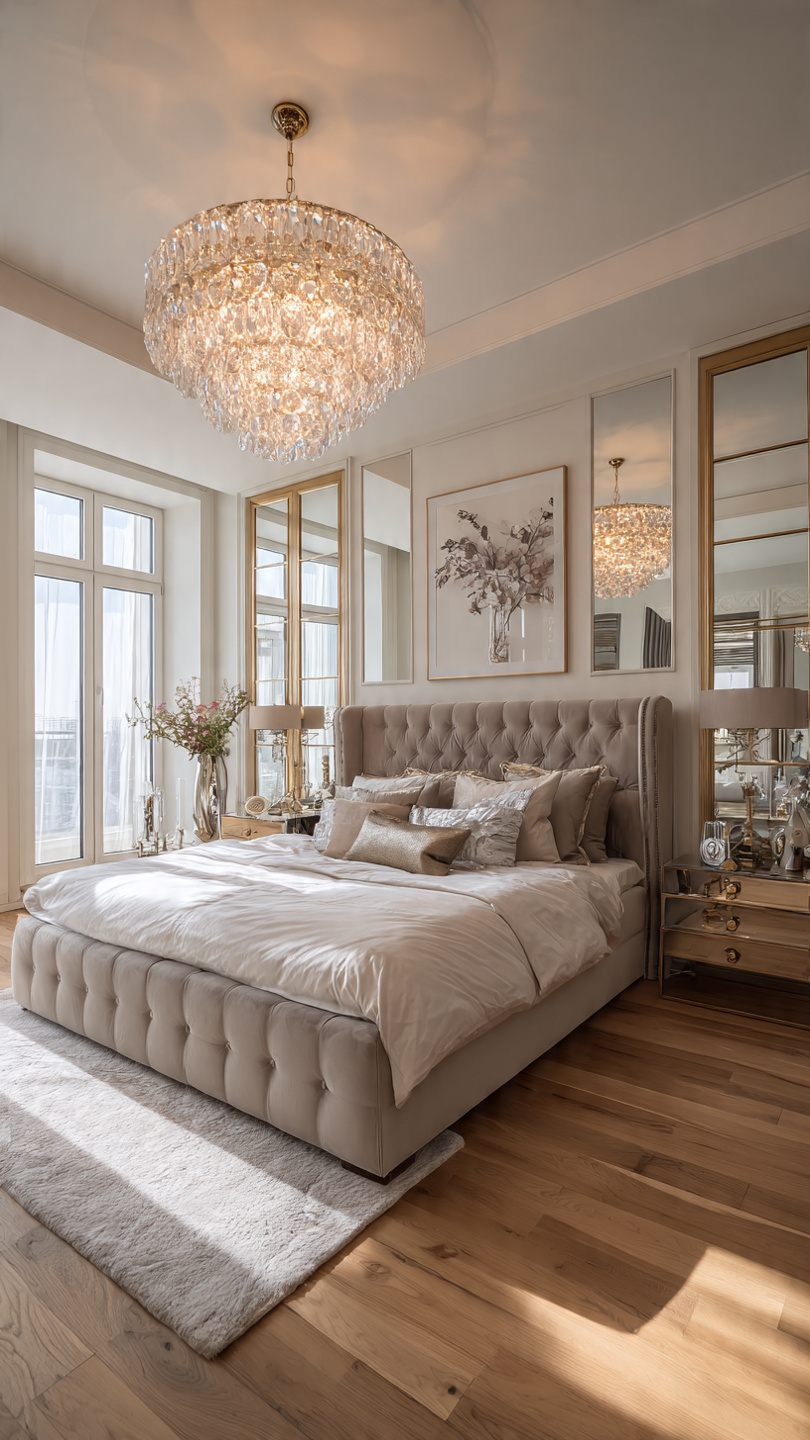
- Lightweight duvet or quilt – Neutral tones (cream, soft gray, warm taupe) in breathable materials
- Throw pillows (4-6) – Coordinate with your duvet; avoid mismatched patterns
- Throw blanket – Draped asymmetrically across the foot of the bed
This isn’t excess; it’s functional elegance. Each layer serves a purpose while creating visual depth and textural contrast.
The Pressing Detail: Why Crisp Lines Matter
Here’s a detail that separates amateurs from professionals: hotel beds look immaculate because every corner is perfectly tucked and every crease has been pressed out with an iron. Before guests (or in your case, before you) see the bed, linens are steam-pressed to remove all wrinkles. Dedicate 10 minutes weekly to ironing your flat sheet and duvet cover. This single habit—more than any expensive piece—signals luxury.
Part 2: Creating Visual Cohesion Through Color & Pattern

The Monochromatic Palette Strategy
Luxury hotels rarely assault the eye with competing colors. Instead, they employ sophisticated monochromatic or analogous color schemes that feel intentional, calm, and high-end.
For a shared bedroom, select a base neutral (white, cream, warm taupe, soft gray, or warm greige) and commit to it across 80% of the room. This includes walls, large furniture pieces, and primary bedding. Then, introduce 1-2 accent colors through:
- Throw pillows and blankets
- A single piece of wall art or accent wall
- Desk accessories or decorative objects
- Rug borders or geometric elements
Why this works for shared spaces: When multiple residents occupy a room, a cohesive color story prevents visual chaos. Individual personalization happens within the agreed framework, not against it.
Warm Neutrals That Signal Luxury
Contrary to conventional wisdom, pure white and stark grays can read as sterile. Luxury hotels use warm neutrals: warm taupe, soft terracotta, rich browns, and creamy off-whites. These tones add psychological warmth while maintaining sophistication.
The Farrow & Ball color “Tanner’s Brown” has become iconic in luxury bedroom design—it evokes boutique hotel sophistication. Similarly, warm grays with underlying taupe undertones feel more refined than cool, bluish grays.
Bold Accent Colors in Compact Spaces
Contemporary hotel design in 2026 increasingly embraces strategic color boldness: deep navy, rich charcoal, or energetic orange on a single accent wall or in statement furniture. The rule: if you introduce a bold color, ensure 70% of the room remains neutral to prevent visual overwhelm in a small space.
Part 3: Lighting—The Invisible Luxury Multiplier
Professional designers often state that lighting accounts for 50% of how luxurious a room feels. This is not hyperbole.
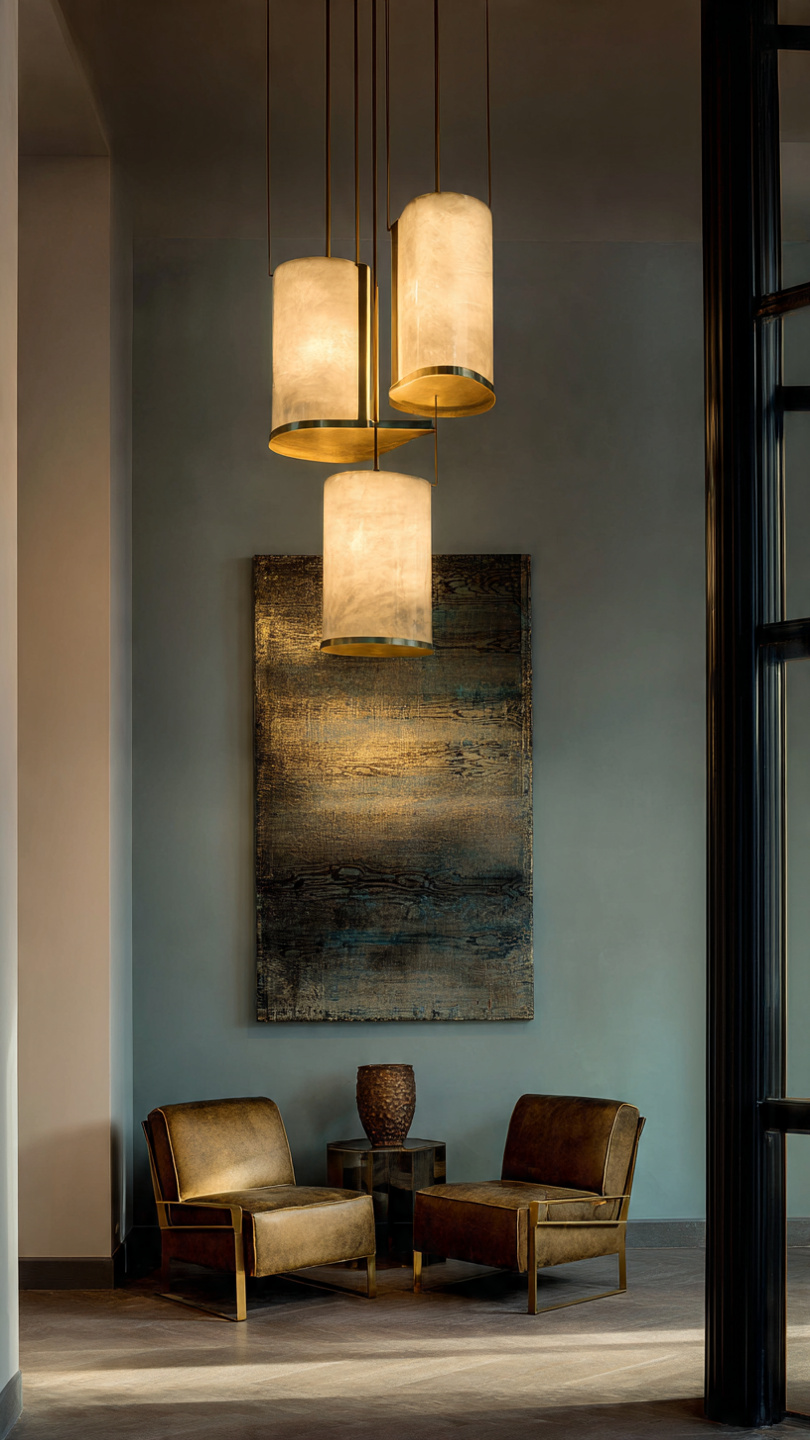
Layered Lighting Framework
Hotel rooms employ minimum three lighting layers:
1. Ambient/Cove Lighting – Indirect light that softly illuminates the room without harsh shadows. This might be LED strips behind crown molding or uplighting on walls.
2. Task Lighting – Functional illumination for reading or working. Wall-mounted reading sconces beside the bed eliminate the need for bulky bedside lamps and free floor space in a shared room.
3. Accent Lighting – Pendant lights above nightstands, LED underlighting on floating furniture, or small decorative table lamps that add visual interest without overwhelming the space.
Practical Implementation for Shared Rooms
- Wall sconces (not table lamps) flanking the bed create symmetry, define the sleeping zone, and preserve nightstand surface area
- A single pendant light or artistic table lamp between beds (if applicable) becomes a focal point while serving functionality
- Warm LED bulbs (2700K color temperature) mimic candlelight and feel more luxurious than cool white (5000K) light
- Dimmers on every light allow mood adjustment and energy conservation
The psychological impact is profound: dim, warm lighting triggers relaxation; harsh brightness triggers alertness. Hotel rooms default to warm, dimmable lighting because luxury is associated with comfort, not functional efficiency.
Part 4: Furniture Strategy for Shared Spaces—Less Is More
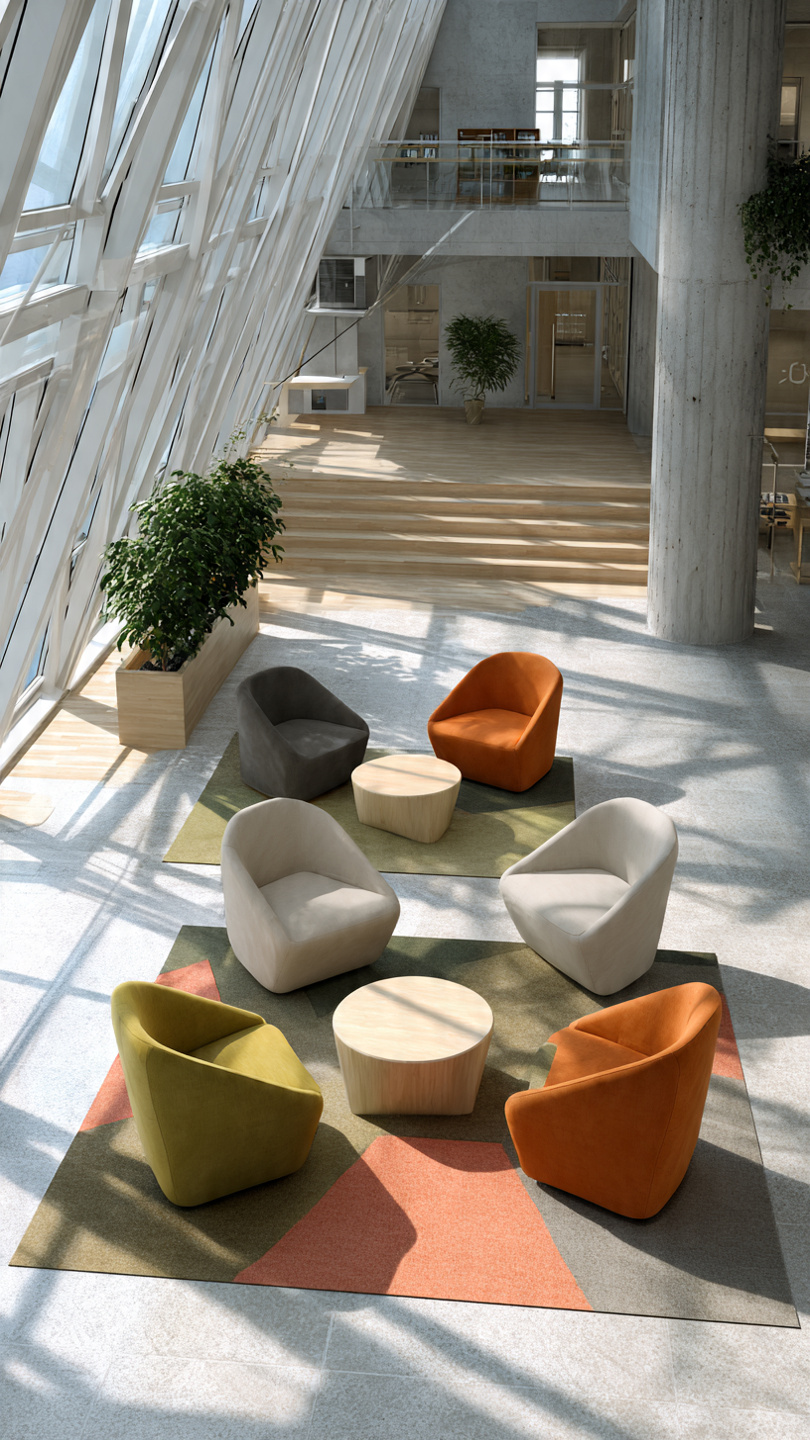
The Minimalist Paradox
Shared bedrooms tempt residents to fill every inch with personal furniture. This is the enemy of luxury. Luxury spaces feel spacious through intelligent emptiness, not through abundance.
Floating/Elevated Furniture: Furniture with exposed legs (rather than flush-to-floor pieces) visually opens floor space and creates the illusion of size. A floating nightstand takes up no visual floor space while providing essential storage.
Multi-Functional Pieces: Invest in one elevated storage bench that serves as seating and additional storage rather than a decorative chair plus a dresser. A bed with under-bed storage drawers replaces a separate dresser entirely.
Headboard as Design Anchor
In luxury hotel design, the headboard is the bedroom’s “hero” feature—the focal point that establishes the room’s character. A upholstered headboard in neutral linen or velvet adds acoustic dampening (critical in a shared room), visual luxury, and defines the bed zone psychologically.
For budget constraints: a simple upholstered headboard (DIY possible) costs $50-150 and transforms perceived luxury more than most other single elements.
Symmetry Creates Perceived Spaciousness
In small bedrooms, asymmetrical layouts feel chaotic. Matching nightstands, symmetrically placed lamps, and centered bed placement create visual calm and actually make rooms feel larger than they are.
Part 5: Storage & Organization—The Invisible Infrastructure
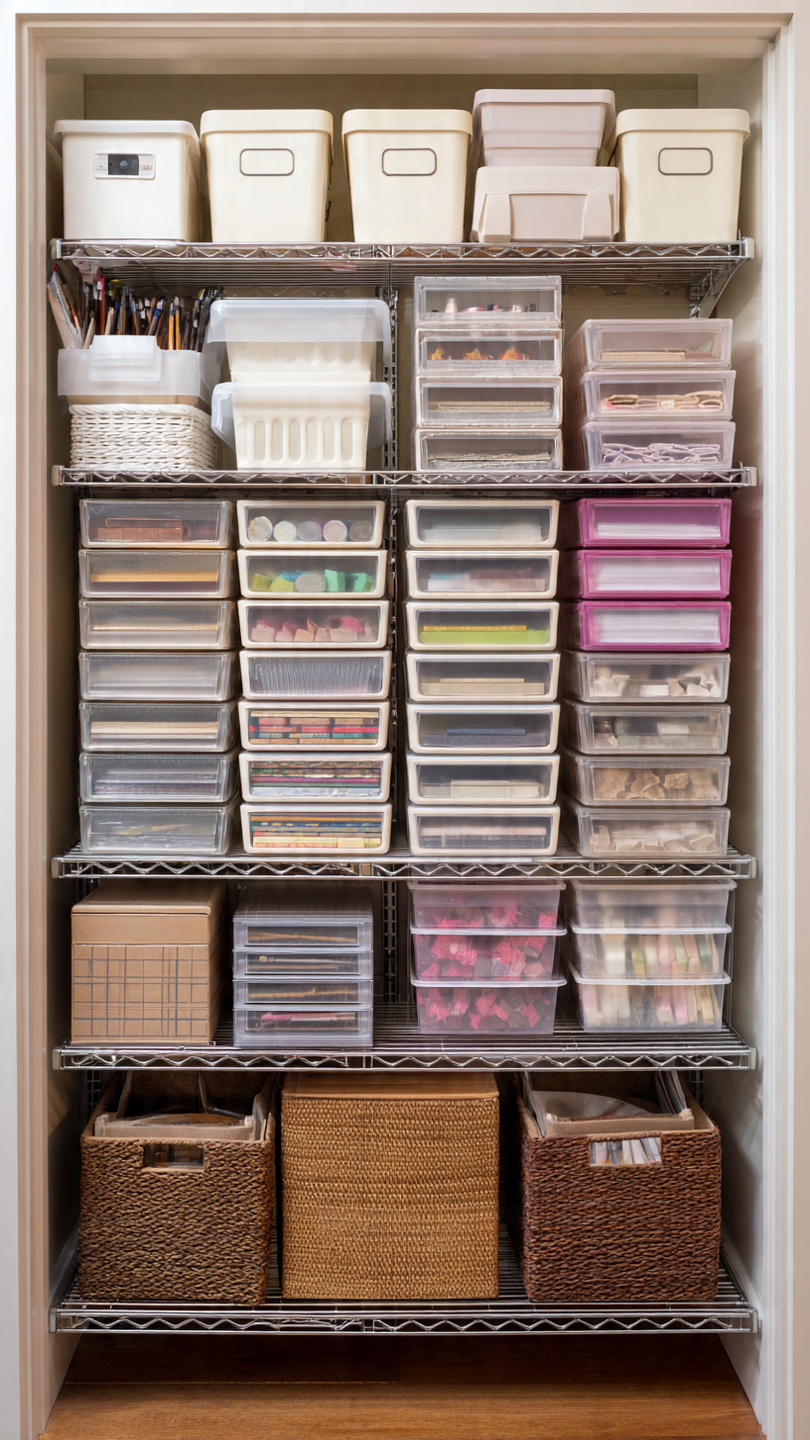
Shared bedrooms fail not because of design, but because of clutter. Professional organization is invisible luxury.
Vertical Storage Solutions
Rather than accumulating furniture, maximize walls:
- Floor-to-ceiling shelving above a desk creates storage without consuming horizontal space
- Wall-mounted nightstands eliminate bulky beside tables
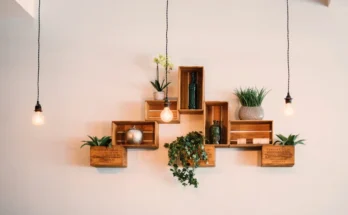
- Floating shelves for books, decor, and personal items maintain visual lightness
- Over-door hooks and peg rails organize daily-use items out of sight
Drawer & Bin Strategy
- Use labeled drawer dividers so both residents know where items belong
- Under-bed storage in low-profile, uniform containers (not visible clutter)
- Matching bins on shelves look intentional; mismatched storage screams disorganization
The Shared Space Negotiation
Before moving in together (or immediately if you’re already sharing), establish one key principle: surfaces remain clear. Nightstands hold only a lamp and one personal item. Desks are cleared at day’s end. Floors contain only furniture and rugs—nothing else.
This single agreement more profoundly affects perceived luxury than any design element.
Part 6: Scent—The Sensory Multiplier You’re Overlooking

Luxury hotels spend significant resources on scent strategy because smell is processed by the emotional brain—it bypasses rational analysis and directly impacts perception of luxury.
Layered Scent Strategy
Hotels don’t rely on a single scent source. They layer:
1. Ambient Base Scent – A reed diffuser or electric diffuser (runs continuously) provides a subtle base fragrance. Popular luxury hotel scents include white tea with thyme, green bamboo, or soft amber notes.
2. Accent Scent – A second complementary fragrance applied to linens via fabric spray or added to laundry detergent. For example, if your ambient scent is herbal white tea, apply a subtle rose or jasmine linen spray.
3. Activated Scent – A candle, wax melt, or incense you can turn on during relaxation hours. This provides control and prevents scent fatigue.
Practical Implementation
For electric diffusers: Choose models with timer functions so they operate 1-2 hours before bedtime, creating olfactory anticipation for relaxation. Air Aroma’s Aromax Diffuser is a professional-grade but affordable option.
For linen scents: A light spritz of Anthropologie’s Fresh Fern Moss Room Spray on pillows and throws creates a fresh, clean, hotel-like aroma.
Budget alternative: Wax melts ($2-5 each) allow scent customization and last 15-20 hours per melt, making them cost-effective for experimentation.
Part 7: Rugs, Textures & Sensory Layers
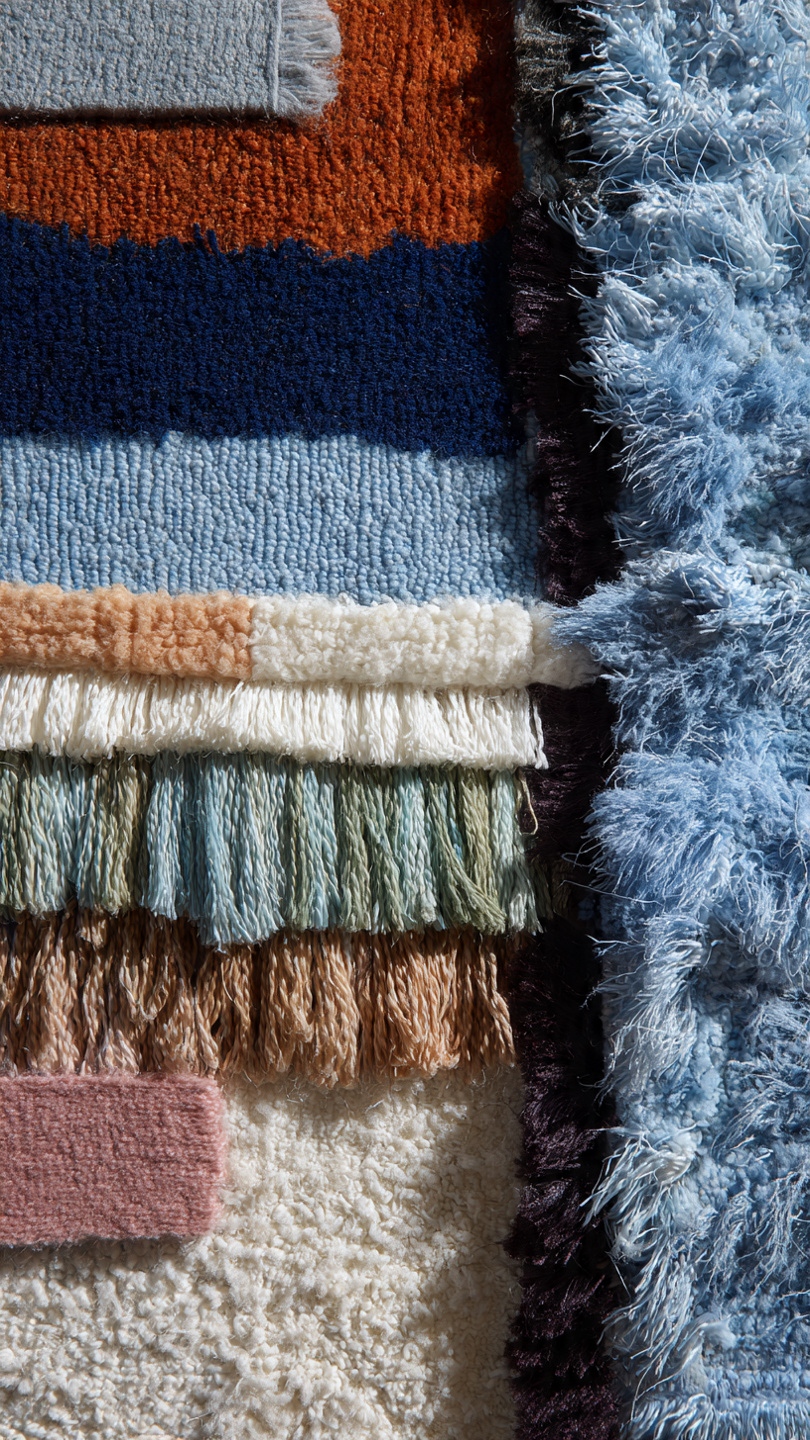
The hotel experience is multisensory. Textures matter as much as colors.
Area Rugs: Psychology & Function
A quality area rug serves three purposes:
- Acoustic: Reduces noise in shared spaces, improving sleep quality
- Thermal: Creates a warm, comfortable feel underfoot—luxury hotels always have this sensation
- Visual: Anchors the room and defines spatial zones
Size matters: a rug should extend under at least two sides of the bed and fill 60% of the floor space to feel intentional rather than decorative.
Rug Selection Strategy
- Neutral base rugs (ivory, soft gray, warm beige) with subtle geometric patterns maintain visual simplicity while adding interest
- Tonal variation (mixing grays with creams, or taupes with whites) prevents flatness without introducing competing colors
- Soft, touchable materials (wool, cotton, or wool-blend) feel more luxurious than synthetic fibers and age better
Layered Textures
- Plush throw pillows on the bed (velvet, linen, cotton blends)
- Faux fur or sherpa throws draped on the foot of the bed
- A soft area rug underfoot
- Textured wall elements (ribbed or paneled walls add dimension without additional furniture)
The result: a space that invites touch and creates sensory richness—a hallmark of luxury design.
Part 8: Shared Space Strategies—Privacy & Personalization
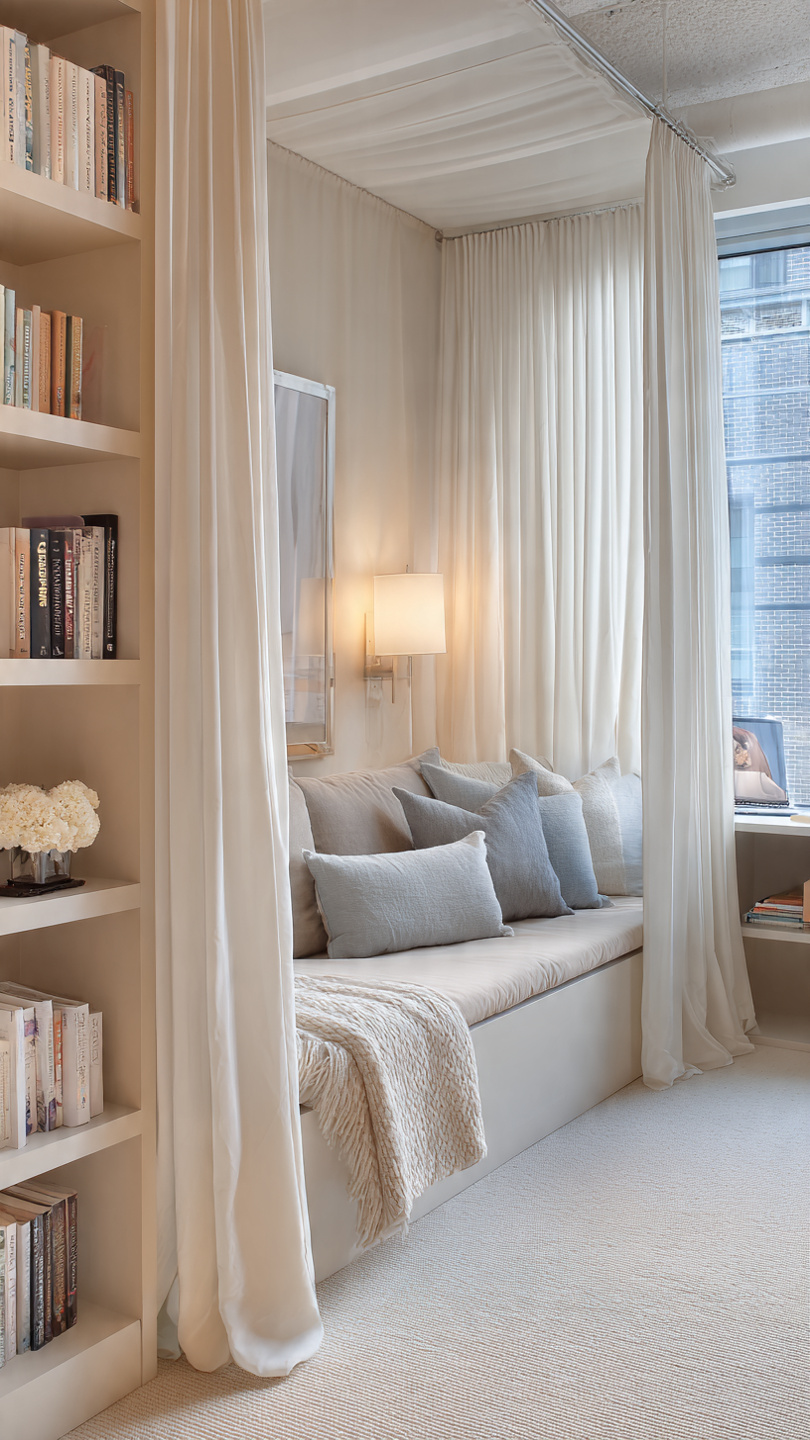
Privacy Without Walls
Shared bedrooms require creative solutions for personal space. Modern hotel design uses techniques that translate directly:
Soft Zoning: Rather than physical walls, use curtains on tension rods to divide the room visually. Each resident can draw their curtain for privacy without sacrificing openness.
Half-Height Bookcases: Use floating shelves or open-back bookcases to create visual separation while maintaining light flow and airflow.
Canopy Frames: A simple canopy (even without fabric) creates a sense of enclosure and personal ownership without blocking sightlines.
Personalization Within a Cohesive Framework
The key to shared luxury: agree on the neutral framework (colors, lighting, overall aesthetic), then allow individual personalization within that structure.
Each resident personalizes their zone with:
- Personal artwork or photographs
- Individual throw pillow accent colors
- Personal desk accessories
- A small amount of character-defining decor
This prevents visual chaos while honoring individual expression.
Part 9: Budget-Conscious Implementation—The Prioritization Framework
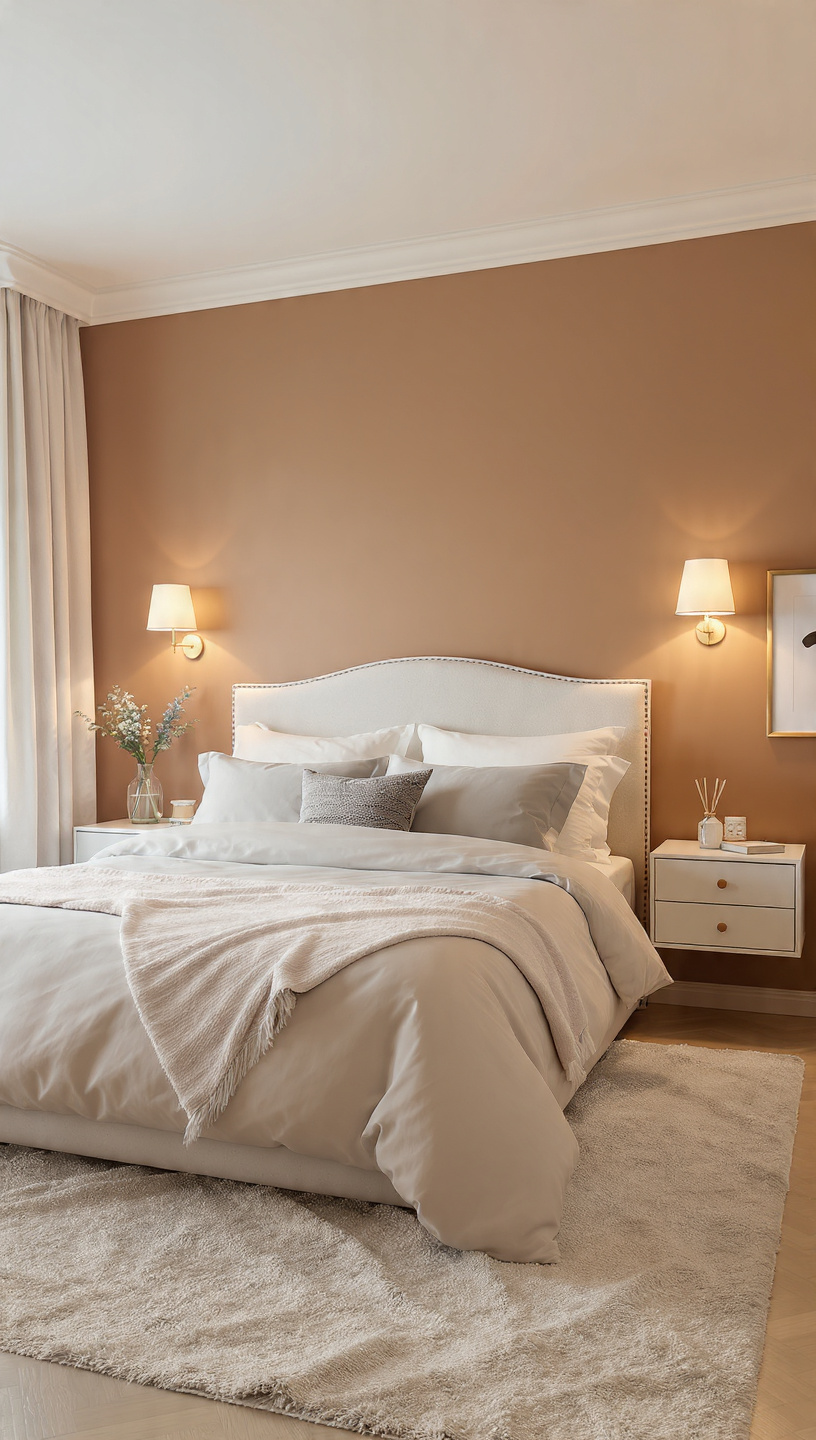
Luxury doesn’t require unlimited spending. Here’s where to allocate resources for maximum impact:
| Investment Priority | Approximate Budget | ROI |
|---|---|---|
| Quality sheets (300+ TC) | $40-80 | Highest—noticed daily |
| Wall paint (neutral warm tone) | $20-40 | Very High—transforms entire space |
| Lighting (2 wall sconces) | $60-150 | Very High—invisible luxury multiplier |
| Area rug | $80-200 | High—defines space, adds warmth |
| Floating nightstands (DIY or minimal) | $40-100 | High—frees floor space |
| Headboard (upholstered or DIY) | $50-150 | High—focal point |
| Throw pillows (4-6) | $40-100 | Medium—adds texture, easy to swap |
| Scent (diffuser + oils) | $20-50 | Medium—high sensory impact |
| Artwork (2-3 pieces) | $30-80 | Medium—personalizes space |
Total investment: $360-950 for a comprehensive transformation.
Specific Money-Saving Tactics
For linens: Look for 300-400 thread count Egyptian cotton blends on Amazon or Overstock; they perform at 75% the price of luxury brands while delivering 90% of the experience.
For paint: Warm neutrals from Farrow & Ball ($120/gallon) work; budget alternatives like Benjamin Moore’s “Accessible Beige” or Sherwin-Williams’ “Urbane Bronze” offer 95% of the luxury feel at 40% the cost.
For wall sconces: IKEA’s minimalist options ($25-40 each) work beautifully; pair with warm LED bulbs to elevate perceived quality.
For artwork: High-quality prints from Etsy ($15-40) or local artists outperform expensive frameless art. The frame quality matters more than the print cost.
Part 10: The Maintenance Principle—Longevity of Luxury
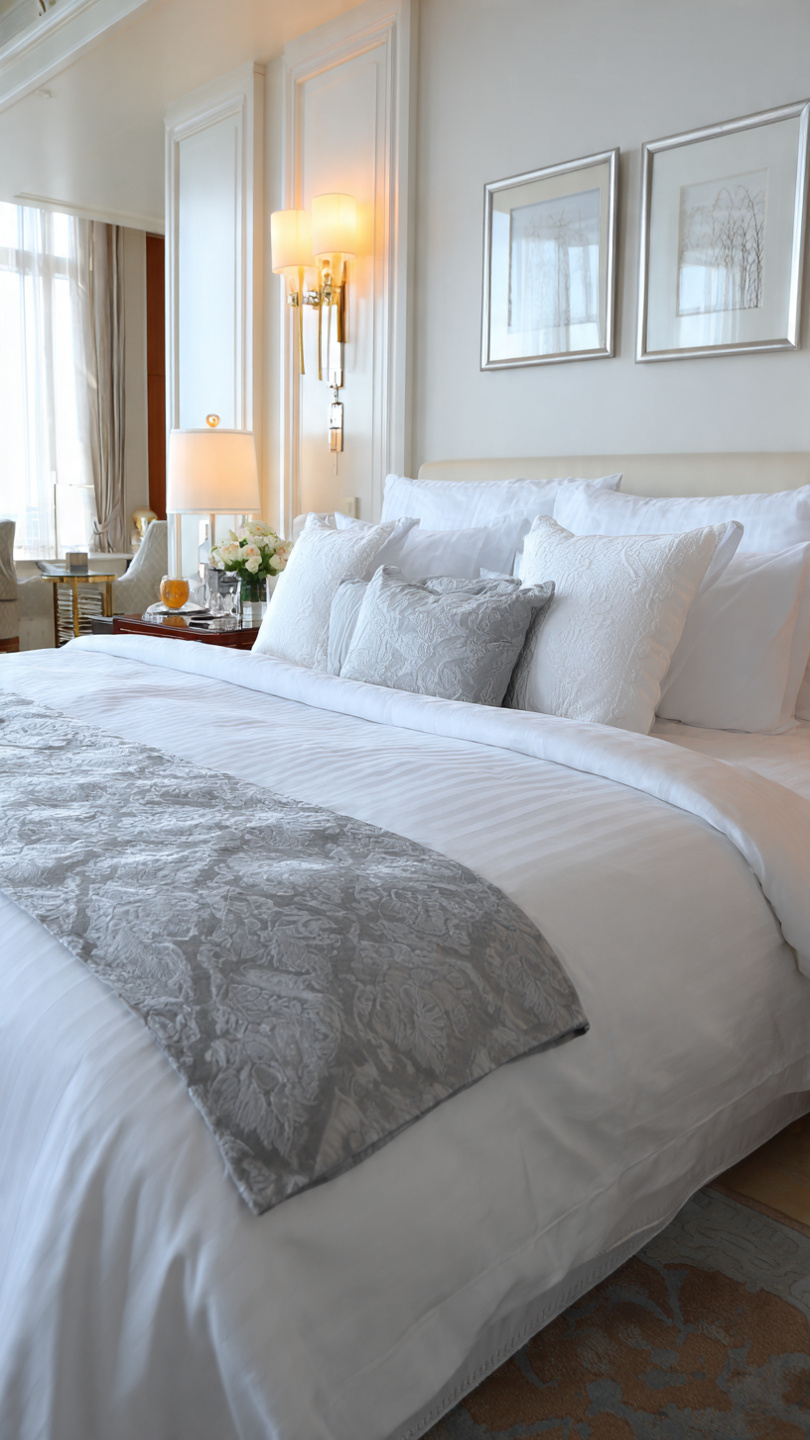
Luxury hotels maintain their aesthetic through discipline, not constant purchasing.
Weekly Maintenance
- Iron flat sheets and duvet covers (10 minutes)
- Fluff and arrange throw pillows daily
- Vacuum area rug
- Wipe down floating nightstands to keep surfaces pristine
Monthly Maintenance
- Wash and re-press all bedding
- Deep-clean the rug (or use dry shampoo)
- Check diffuser and replace oils if depleted
- Dust light fixtures and wall sconces
Quarterly Maintenance
- Assess decor and remove items that no longer feel intentional
- Rotate artwork or throw pillow colors if desired
- Deep-clean windows to maximize natural light
- Evaluate storage systems and reorganize if needed
This routine—approximately 2-3 hours monthly—sustains perceived luxury far more effectively than occasional expensive upgrades.
Part 11: Your Luxury Bedroom Transformation Checklist
Phase 1: Foundation (Week 1-2)
- Paint walls in warm neutral color
- Purchase quality sheets and bedding (300+ TC)
- Press and arrange bedding using hotel layering technique
- Measure for area rug and order
Phase 2: Lighting & Focal Points (Week 2-3)
- Install two wall sconces flanking bed or above nightstands
- Select and hang 2-3 pieces of artwork
- Source and position headboard (purchase or DIY)
- Install floating nightstands or shelves
Phase 3: Sensory & Storage (Week 3-4)
- Order electric diffuser and select luxury scent
- Organize closet/storage using labeled bins and dividers
- Purchase throw pillows, blankets, and rug
- Set up linen spray or fabric freshener
Phase 4: Personalization & Refinement (Week 4+)
- Arrange personal decor and artwork
- Establish shared space agreements (surfaces, organization)
- Fine-tune lighting levels and moods
- Add final textural elements (faux fur throw, accent rug)
Conclusion: Why This Matters
Transforming a shared bedroom into a luxury retreat isn’t about excess or expense. It’s about understanding the psychology of luxury—that it emerges from intentionality, sensory richness, and order. Hotels have perfected this formula within the constraints of commercial reality. Your shared bedroom can benefit from identical principles.
The framework outlined here prioritizes impact over cost, sensory experience over showiness, and sustainable maintenance over constant purchasing. A white linen sheet pressed crisp, warm light at dusk, a subtle amber scent, a textured throw pillow, an uncluttered surface—these humble elements, layered thoughtfully, create the perception of luxury more reliably than any expensive furniture acquisition.
Start with bedding and lighting. Build outward. Let each addition serve a functional purpose while advancing the overall aesthetic. Within a month, you’ll inhabit a space that guests mistake for a boutique hotel—and you’ll sleep like you’re paying $400 per night to do so, even if your actual investment was a fraction of that.