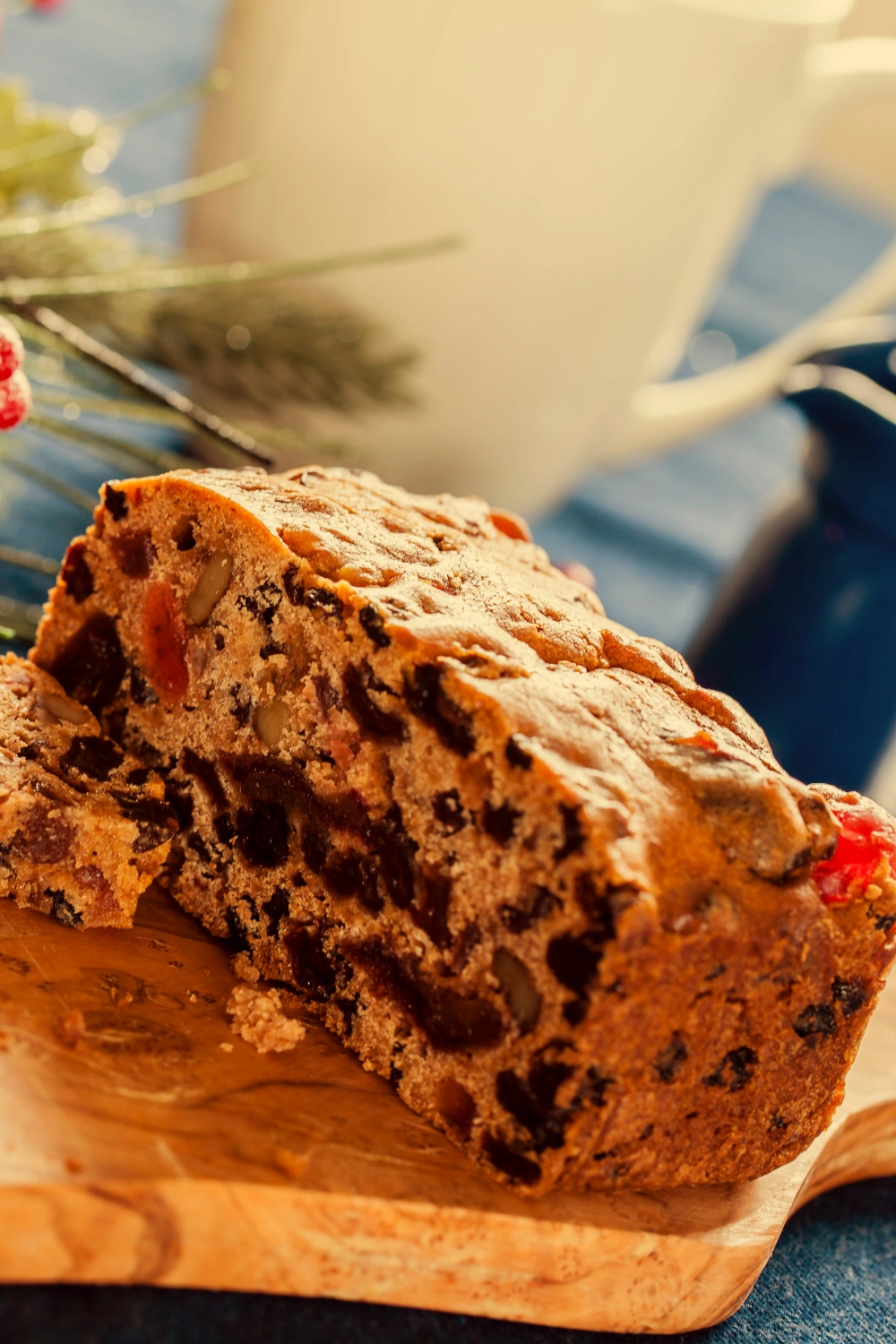
Look, I know fruitcake gets a bad rap. Everyone loves to joke about it being the holiday gift nobody wants, passed around year after year like some cursed relic. But here’s the truth: a properly made traditional Christmas fruitcake is absolutely incredible. My grandmother’s recipe converted me from a skeptic to a true believer, and now I make at least three cakes every November. The secret? Quality ingredients, patience, and a little booze. Lots of booze, actually 🙂
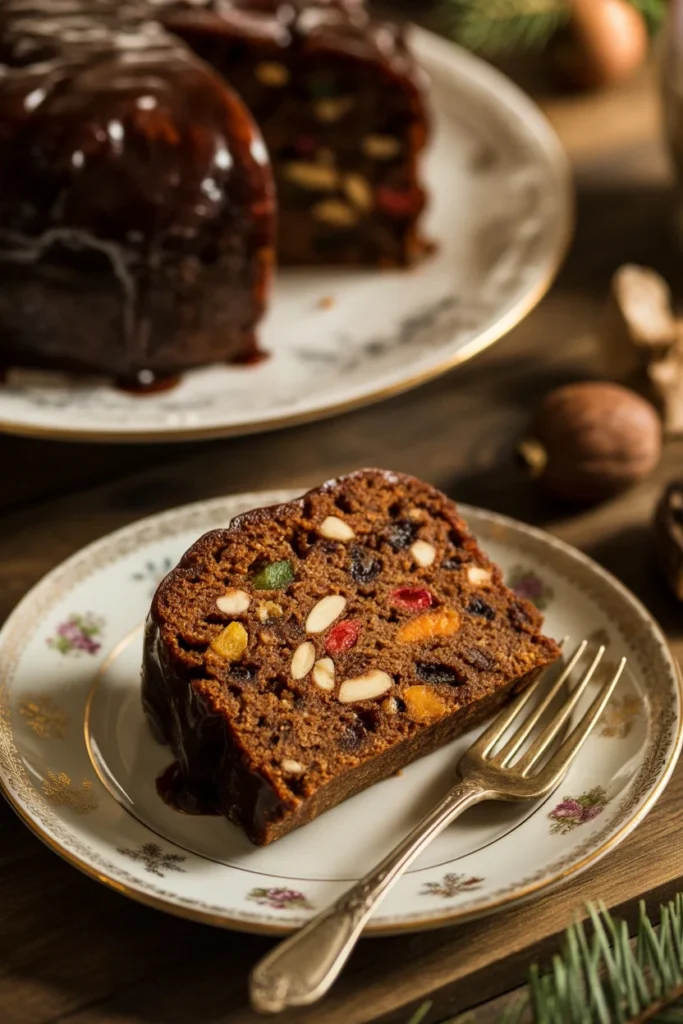
Traditional Christmas Fruitcake Recipe
Course: Dessert, Holiday BakingCuisine: British, AmericanDifficulty: Medium20
slices30
minutes3
hours320
kcalThis traditional Christmas fruitcake features quality dried fruits soaked in rum, warm spices, crunchy nuts, and gets better with age. Made properly with patience and good ingredients, it's moist, rich, and complex—nothing like those dry store-bought versions. Start weeks ahead and feed regularly for the best results. A true holiday tradition!
Ingredients
- For Soaking Fruit:
4 cups mixed dried fruits (raisins, apricots, figs, cranberries, dates)
1½ cups dark rum or brandy
2 cinnamon sticks
4 whole cloves
2 star anise
- For Cake:
1 cup unsalted butter, softened
1½ cups dark brown sugar, packed
4 large eggs
2 cups all-purpose flour
2 teaspoons cinnamon
1 teaspoon nutmeg
½ teaspoon allspice
¼ teaspoon ground cloves
½ teaspoon ginger
½ teaspoon baking powder
½ teaspoon salt
2 cups mixed nuts (pecans, walnuts), toasted and chopped
¼ cup molasses
2 teaspoons vanilla extract
Zest of 1 orange and 1 lemon
- For Feeding:
Additional rum or brandy (about 1 cup total over aging period)
Directions
- Soaking the Fruit (3-7 days before baking):
- Chop larger dried fruits into bite-sized pieces.
- Combine fruits, rum/brandy, and whole spices in a large container.
- Ensure fruit is completely covered. Seal and store at room temperature.
- Stir daily. Soak for minimum 24 hours, ideally 3-7 days.
- Baking:
- Preheat oven to 275°F (135°C). Line a 9-inch round or loaf pan with parchment paper.
- Cream butter and brown sugar until light and fluffy (5 minutes).
- Add eggs one at a time, beating well after each addition.
- In separate bowl, whisk together flour, spices, baking powder, and salt.
- Add molasses, vanilla, and citrus zest to butter mixture.
- Gradually fold in dry ingredients until just combined.
- Drain soaked fruit (reserve liquid). Toss fruit and nuts with 2 tablespoons flour.
- Fold fruit and nuts into batter—mixture will be very thick and dense.
- Spread batter into prepared pan. Wrap outside of pan with aluminum foil.
- Bake for 2.5-3.5 hours until toothpick inserted comes out mostly clean.
- Remove foil for last 30 minutes to brown top.
- Cool completely in pan (overnight recommended).
- Aging Process (2-8 weeks):
- Poke holes throughout cooled cake with a skewer.
- Brush with 2-3 tablespoons rum or brandy.
- Wrap in cheesecloth soaked in alcohol, then plastic wrap and foil.
- Store in cool, dark place.
- Feed every 3-4 days with additional alcohol for 2-8 weeks before serving.
Recipe Video
Notes
- Start making in October/November for Christmas enjoyment.
Use quality dried fruits, not artificially colored candied fruit.
The longer you age it (with regular alcohol feedings), the better it tastes.
Can be made alcohol-free by substituting apple cider or orange juice.
Properly aged fruitcake lasts 3-6 months at room temperature.
Wrap tightly between feedings to prevent drying out.
Slice thin—this is a rich, dense cake where a little goes a long way.
Why Traditional Christmas Fruitcake Deserves Better
The reason most people hate fruitcake is simple—they’ve only tasted terrible versions made with cheap, artificially colored candied fruit that tastes like sugar-coated rubber. A real Christmas fruitcake uses quality dried fruits, nuts, warm spices, and gets better with age as it soaks up brandy or rum over weeks.
This isn’t a last-minute dessert. You start making it in October or November for Christmas enjoyment. The aging process transforms it from a dense cake into something magical—moist, rich, and complex. According to King Arthur Baking, properly aged fruitcakes can last for months and actually improve in flavor over time.
Think of it as the wine of the cake world. Fresh fruitcake is fine, but aged fruitcake? That’s where the magic happens. Plus, there’s something deeply satisfying about continuing a tradition that’s been around for centuries.
The Fruit Selection—Where Quality Matters Most
Choosing Your Dried Fruits
This is where you separate authentic traditional Christmas fruitcake from the grocery store disasters. Forget those bright red and green candied cherries—they’re basically sugar bombs with no real flavor. I use a mix of quality dried fruits that actually taste like fruit.
My go-to combination:
- Raisins (both golden and regular for depth)
- Dried apricots (adds tang and beautiful color)
- Dried figs (rich, jammy sweetness)
- Dried cranberries (tartness to balance the sweetness)
- Dates (natural caramel notes)
- Candied orange and lemon peel (homemade if possible)
You’ll need about 4 cups total of mixed dried fruit. Chop larger pieces into bite-sized chunks—you want distribution throughout the cake, not huge fruit bombs in random spots. The fruit-to-batter ratio should be about 3:1. Yes, really. This cake is basically held-together fruit, and that’s exactly what makes it amazing.
Ever wondered why some fruitcakes taste bland? They skimp on quality fruit and overdo the cheap stuff. Invest in good dried fruit from bulk bins or specialty stores. Your taste buds will notice. For tips on selecting quality dried fruits, Serious Eats offers excellent guidance on what to look for.
The Soaking Process—Patience Pays Off
Pre-Soaking Your Fruit
Here’s where the magic begins. You soak your dried fruit in alcohol for anywhere from 24 hours to a week before baking. I use dark rum because I love the molasses notes it brings, but brandy, whiskey, or even apple cider (for alcohol-free versions) work great.
Pour enough alcohol to cover your fruit completely, seal the container, and let it sit at room temperature. The fruit plumps up, absorbs flavor, and becomes incredibly juicy. Some of my fruit soaks for 3-4 days, and the longer you can wait, the better.
FYI, this isn’t optional if you want authentic flavor. The soaking process prevents the fruit from drying out during the long baking time and infuses every bite with complexity. I usually add warm spices—cinnamon sticks, whole cloves, star anise—to the soaking liquid for extra depth.
Drain the fruit before adding it to your batter, but save that soaking liquid. You’ll use it later to “feed” your finished cake during the aging process. Nothing goes to waste in fruitcake making.
The Batter—Simple but Specific
Building Flavor Layers
The batter itself is straightforward—butter, sugar, eggs, flour, and spices. But the ratios matter because this batter needs to support all that heavy fruit and nuts. I use unsalted butter (room temperature), dark brown sugar for moisture and molasses flavor, and plenty of warm spices.
Spice blend essentials:
- Cinnamon (2 teaspoons)
- Nutmeg (1 teaspoon, freshly grated)
- Allspice (½ teaspoon)
- Cloves (¼ teaspoon, ground)
- Ginger (½ teaspoon)
The key is creaming the butter and sugar thoroughly—like 5 minutes thoroughly. You want it light and fluffy. Add eggs one at a time, beating well after each addition. This creates structure that helps hold all that fruit. According to Food Network, proper creaming technique is crucial for dense cakes like fruitcake.
Fold in your dry ingredients gently, then add your soaked fruit and chopped nuts. I use pecans and walnuts, about 2 cups total, lightly toasted. The batter should be thick and dense—you’re basically coating fruit with batter, not the other way around.
Baking Low and Slow
Temperature Control Is Critical
Traditional Christmas fruitcake bakes at a much lower temperature than regular cakes—around 275-300°F (135-150°C). This prevents the outside from burning while the inside cooks through. You’re looking at 2.5 to 3.5 hours depending on your pan size.
I line my pan with parchment paper and then wrap the outside with aluminum foil for the first two hours. This protects the edges from overbrowning. Remove the foil for the last 30-45 minutes to let the top develop color.
How do you know it’s done? A toothpick inserted in the center should come out mostly clean (a few moist crumbs are fine, but no wet batter). The cake should feel firm to the touch and pull away slightly from the pan sides. Don’t underbake it—better slightly overdone than gummy inside.
Let it cool completely in the pan. I usually leave mine overnight before attempting to remove it. This cake is dense and heavy; rushing it leads to breakage.
The Aging Process—Where Good Becomes Great
Feeding Your Fruitcake
Once cooled, the real transformation begins. You’ll feed your fruitcake with alcohol every few days for at least 2-4 weeks. Some people age theirs for months. My grandmother had fruitcakes that were over a year old, and they were phenomenal.
Here’s my feeding routine:
- Poke holes all over the cake with a skewer
- Brush or spoon about 2-3 tablespoons of rum or brandy over the entire surface
- Wrap tightly in cheesecloth soaked in alcohol
- Wrap again in plastic wrap, then aluminum foil
- Store in a cool, dark place
- Repeat every 3-4 days
The alcohol prevents mold growth while keeping the cake moist and developing complex flavors. Each feeding session takes about 5 minutes. Over time, the cake becomes increasingly moist and the flavors meld together beautifully. For detailed aging tips, check out Sally’s Baking Addiction.
IMO, a fruitcake aged for at least 3 weeks is twice as good as one eaten fresh. The patience is worth it, I promise.
Nut Selection and Preparation
More Than Just Add-Ins
The nuts in Christmas fruitcake aren’t just filler—they add texture, flavor, and richness. I always toast my nuts first at 350°F for 8-10 minutes. This brings out their oils and intensifies their flavor dramatically.
Best nuts for fruitcake:
- Pecans (buttery, classic choice)
- Walnuts (earthy, slightly bitter to balance sweetness)
- Almonds (delicate crunch, sliced or slivered)
- Hazelnuts (rich, luxurious)
Chop them coarsely—you want distinct pieces, not powder. About 2 cups total for a standard recipe. Some people add them to the soaking fruit mixture, but I prefer keeping them separate so they maintain their crunch.
If someone has nut allergies, you can omit them entirely, though the texture will be less interesting. For a nut-free version, consider adding extra dried fruit or seeds like pumpkin or sunflower seeds for crunch.
Decoration and Presentation
Making It Look as Good as It Tastes
Traditional fruitcakes often get decorated with glazed fruit and nuts on top arranged in beautiful patterns. Do this before baking—press whole pecans, cherry halves, and candied fruit pieces into the top surface in concentric circles or geometric patterns.
After baking and cooling, you can brush the top with warmed apricot jam for a beautiful glaze. This gives it that bakery-quality shine and adds another layer of flavor. Some bakers use a simple sugar syrup instead, but I prefer the jam for its fruity notes.
For gifting, wrap aged fruitcakes in decorative tins or boxes lined with parchment paper. They look impressive and transport well. Include storage instructions and the date you made it—some people actually want to know how long it’s been aging!
If you’re putting together a holiday dessert spread, pair your fruitcake with other festive treats like Peppermint Bark Cookies or Pavlovas with Fresh Fruit for variety.
Serving Suggestions
Getting Maximum Enjoyment
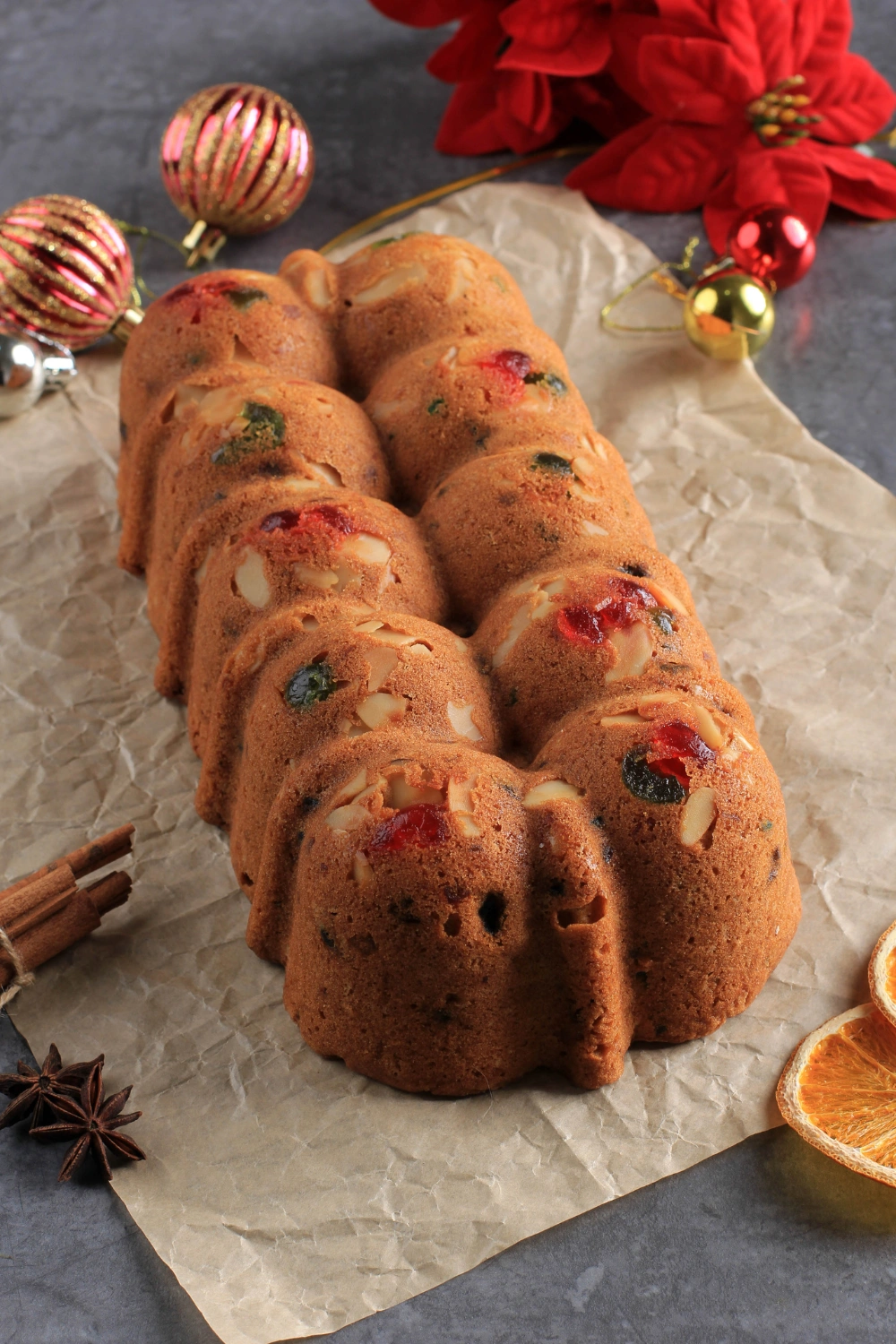
Serve Christmas fruitcake at room temperature, sliced thin—about ½ inch thick. This isn’t pound cake; a little goes a long way. The density and richness mean small portions satisfy.
Perfect pairings:
- Strong coffee or espresso (cuts the sweetness)
- Port or sherry (traditional British pairing)
- Sharp cheddar cheese (sounds weird, tastes amazing)
- Whipped cream (lightens it up)
- Vanilla ice cream (temperature contrast is lovely)
I love serving it with sharp white cheddar—the salty, tangy cheese against sweet, spiced cake creates this incredible flavor contrast. Don’t knock it until you try it. According to Bon Appétit, cheese and fruitcake is a classic British combination that dates back centuries.
For a festive beverage pairing, serve alongside Pumpkin Spice Moscow Mule or Black Cherry Margarita Cocktail for holiday entertaining.
Storage and Shelf Life
One of the coolest things about traditional Christmas fruitcake is its incredible shelf life. Properly aged and stored, these cakes last 3-6 months easily, and some people keep them for years. The high sugar and alcohol content act as preservatives.
Storage tips:
- Keep wrapped in alcohol-soaked cheesecloth inside plastic wrap
- Store in a cool, dark place (not the refrigerator)
- Continue feeding with alcohol monthly if storing long-term
- Check occasionally for any signs of mold (extremely rare but possible)
Never refrigerate fruitcake—the cold dries it out. Room temperature or slightly cool is perfect. If you’re gifting fruitcakes early in the season, include instructions for continued aging and feeding.
For other make-ahead holiday treats, try Chocolate Dipped Frozen Bananas or Mango Coconut Sticky Rice that also store well.
Common Mistakes to Avoid
Learning from Others’ Errors
Using cheap, bright candied fruit: This is the number one way to make terrible fruitcake. Invest in quality dried fruits and your cake will taste like actual fruit, not sugary dye.
Underbaking: Dense cakes like this need their full baking time. Underbaked fruitcake is gummy and unpleasant. Use a thermometer if needed—internal temp should reach 200°F.
Skipping the aging process: Fresh fruitcake is nowhere near as good as aged fruitcake. If you’re short on time, at least give it one week with regular feedings.
Wrong pan size: Using the wrong size pan throws off baking times. Stick to the recipe’s recommended pan size, or adjust times accordingly for larger or smaller pans.
Not testing for doneness: This cake takes hours to bake. Don’t guess—use the toothpick test and be patient.
Making It Your Own
Once you master the basic traditional Christmas fruitcake, feel free to customize. Some variations I love:
Chocolate fruitcake: Add ½ cup cocoa powder and use chocolate chips along with the fruit. Decadent.
Tropical version: Use dried mango, pineapple, coconut, and macadamia nuts. Feed with coconut rum.
Spiced apple: Focus on dried apples, add extra cinnamon, and use apple brandy for feeding.
Gluten-free: Substitute with a good gluten-free flour blend. The dense texture works well.
The basic technique stays the same—quality ingredients, patient soaking, low baking, and proper aging. The flavor combinations are endless.
For more creative holiday baking, explore Lemon Blueberry Tart or Key Lime Pie Bars for different flavor profiles.
Final Thoughts
Making a traditional Christmas fruitcake is a labor of love, but it’s not actually difficult—just time-consuming. Start in October or early November, soak your fruit properly, bake low and slow, and feed it regularly. The result is something genuinely special that improves every week.
I’ve converted dozens of fruitcake haters with my grandmother’s recipe. The secret isn’t a secret at all—it’s just doing it right with quality ingredients and patience. Give yourself time, don’t rush the process, and you’ll understand why fruitcake has been a holiday tradition for hundreds of years.
Whether you’re continuing a family tradition or starting your own, there’s something magical about pulling out a fruitcake you made months ago and sharing it with people you love. It’s edible time travel, and it tastes incredible.
Now go soak some fruit in rum and start your own fruitcake tradition. Future you will be very grateful!